Contact Us: info@specialbranchtreeservices.net
<meta name="google-site-verification" content="zsZkzupYaXEPurY59JVBZZsTzITecHZ08ni0uBQE8z0" />


LOLER Inspections
Ensure full regulatory compliance and operational safety with our LOLER inspection services.
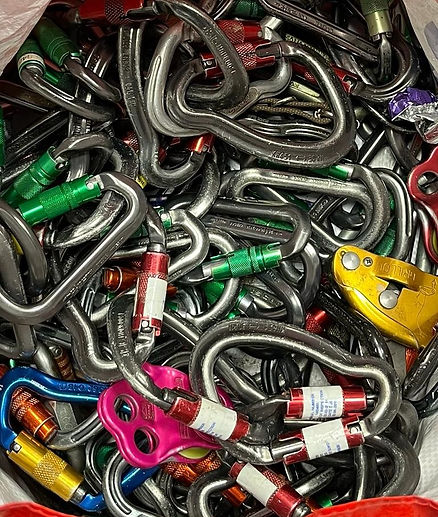
We conduct legally mandated examinations of arboricultural equipment, including climbing systems (harnesses, ropes, karabiners) every six months and rigging equipment every twelve months, to mitigate failure risks and uphold safety standards.
What We Inspect, And How
Each inspection is methodical, consistent, and detailed. We follow the requirements of the Lifting Operations and Lifting Equipment Regulations (LOLER 1998), whilst tailoring our process to meet the practical demands of tree teams.
Every item undergoes the following checks:
Visual Examination
We inspect for cuts, abrasions, heat damage, corrosion, UV degradation, fraying, or contamination. That includes both textile and metallic components.
Functional Testing
We test moving parts such as karabiner gates, cams, pulleys, and mechanical devices to confirm smooth, unrestricted operation under normal load.
Structural Integrity Verification
We look for cracks, deformation, fatigue, wear to load-bearing parts, and signs of impact or misuse that could compromise performance.
Identification and Record Matching
All gear is checked against existing asset logs where available, and individually recorded in your report for traceability.
We know that taking gear out of circulation is disruptive. That’s why we offer flexible inspection solutions designed to minimise downtime and maximise convenience
Overnight Turnaround
Drop your kit off at the end of the day, and we’ll have it inspected, certified, and ready to return by morning (subject to kit size and pre-booking).
On-Site Inspections
For larger teams or businesses, we can bring our service to you. We set up on-site and inspect each climber’s kit systematically, with reports delivered digitally the same day.
Digital Integration
All reports are issued in user-friendly formats, and can be tailored to integrate with your existing asset management system. Each item is traceable by unique ID, allowing easy tracking over time.
Clear, Actionable Feedback
Where repairs or retirements are required, we make that clear. No technical jargon, no ambiguity, just straight answers so you can make informed decisions.
How to Prepare Your Kit
To ensure your inspection runs smoothly and avoids delays, here’s how to get your equipment ready:
Clean and Dry
All items must be free from dirt, sawdust, oil, or moisture. Contamination can hide defects and interfere with the inspection process.
Disassemble Linked Items
Undo any knots and separate components that are normally used together (e.g., friction hitches, slings from carabiners).
Check for Legible Markings
Ensure manufacturer labels and load ratings are visible, we cannot pass items with unreadable or missing ID tags.
Bring Existing Inspection Records
If this isn’t your first inspection, provide any past reports or logs so we can maintain continuity in your compliance history.
Once prepared, just leave the rest to us. We’ll handle the inspection, the documentation, and the certification, all in line with LOLER requirements.
We’re more than just inspectors, we’re part of the arboricultural community. That means we understand the way you work, the pressures you face, and the importance of getting it right.
Contact Our Specialist LOLER Inspectors